

It’s stated that renters have all of the political energy in New York Metropolis. How else to clarify their strong advantages underneath hire stabilization, free authorized providers in housing courtroom, preferential remedy by metropolis businesses, a dealer price ban and different rights?
However tenants should not the highest of the meals chain. Owners are — regardless of being outnumbered two to 1.
Owners reign in metropolis politics as a result of they vote extra and transfer much less. That’s why their property taxes are a lot decrease than what condominium buildings pay.
Owners don’t have a robust foyer group, maintain mass demonstrations or storm the stage at public conferences. Sometimes some will oppose native rezonings that might erode their dominance by including extra housing.
Generally, owners have little to complain about: Their property values have grown tremendously through the years whereas their property taxes haven’t.
Tenant teams are way more seen. They present up en masse at Lease Pointers Board hearings with matching T-shirts. They protest exterior buildings to disgrace landlords and builders. They pack buses and schlep to Albany by the hundreds for tenant lobby days carrying “I’m a tenant and I vote” caps.
By no means have I heard them demand decrease property taxes for his or her buildings. That’s as a result of they assume decrease taxes would solely assist landlords, not tenants.
Until somebody persuades tenants that property taxes enhance their rents and starve their buildings of cash for repairs, residential landlords will probably be at a drawback if Mayor Zohran Mamdani asks the Metropolis Council or Albany to decrease their property taxes.
I hope the mayor will suggest one thing earlier than the state legislature reconvenes in January. He has dedicated to doing greater than his predecessors on that entrance, though that gained’t take a lot: Mayor Invoice de Blasio’s tax fee infamously launched its report solely two days earlier than he left workplace, and the Adams administration by no means even proposed a reform.
Rallying rent-stabilized tenants will probably be laborious as a result of so far as they’re involved, the Lease Pointers Board determines what they pay and the mayor promised them a hire freeze. However Mamdani’s voters are typically free-market tenants, who are suffering probably the most underneath the town’s twisted property tax regime.
Listed below are the information about how the property tax system provides owners a reduction on the expense of huge condominium buildings.
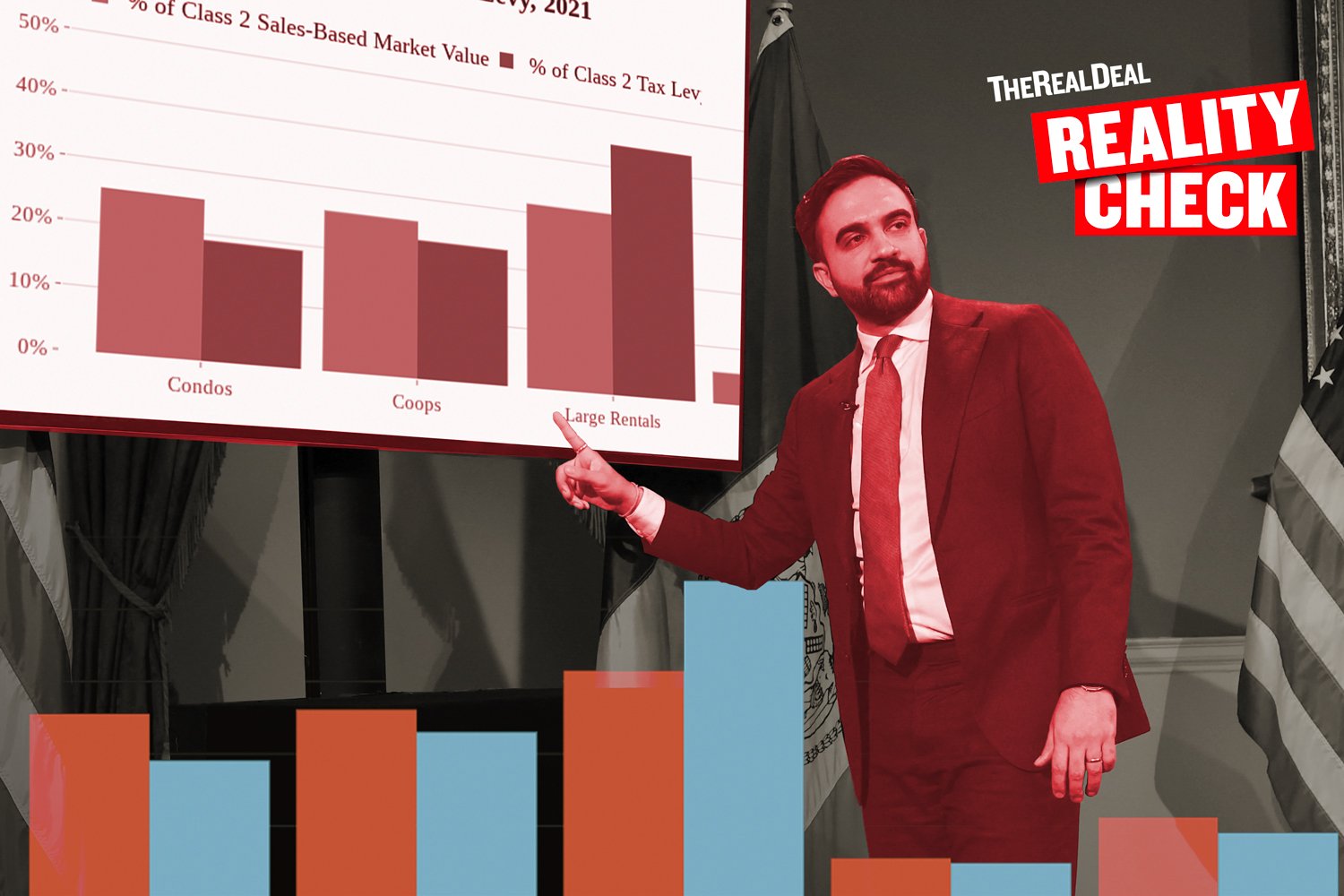
Properties with three or fewer items account for twenty-four p.c of sales-based property worth within the metropolis however pay solely 14 p.c of its actual property taxes, based on a brand new Furman Center report. (By “sales-based” we imply real-world values, not the pretend “market worth” assigned by the Division of Finance to bewilder individuals.)
Class 2 properties (condos, co-ops and leases) complete 43 p.c of sales-based worth and pay 36 p.c of the taxes. However inside Class 2, owners are paying the least.
Condos have 26 p.c of Class 2’s worth however pay simply 19 p.c of the taxes. Co-ops have 26 p.c of the worth and pay 23 p.c of the taxes.
Small rental buildings additionally get a fairly whole lot. They account for 11 p.c of Class 2’s real-world worth and pay 9 p.c of its taxes.
Who’re the losers in Class 2? Giant condominium buildings.
They account for 32 p.c of the category’ complete worth however pay 44 p.c of its taxes. The New York Condominium Affiliation likes to say that property taxes account for 30 p.c of hire. However that’s landlords’ downside, so far as tenants are involved.
The NYAA’s Kenny Burgos has no pull with tenants. Mamdani does, however I doubt he’ll apply it to the property tax concern. Politically, it’s higher for him to maintain tenants and landlords divided by perpetuating a “good versus evil” narrative. The identical is true for activist teams.
Learn extra

“Winners and losers”: What if Mamdani finally reforms NYC property taxes?

Where de Blasio went wrong on property tax reform

The Daily Dirt: How to navigate a political third rail
