

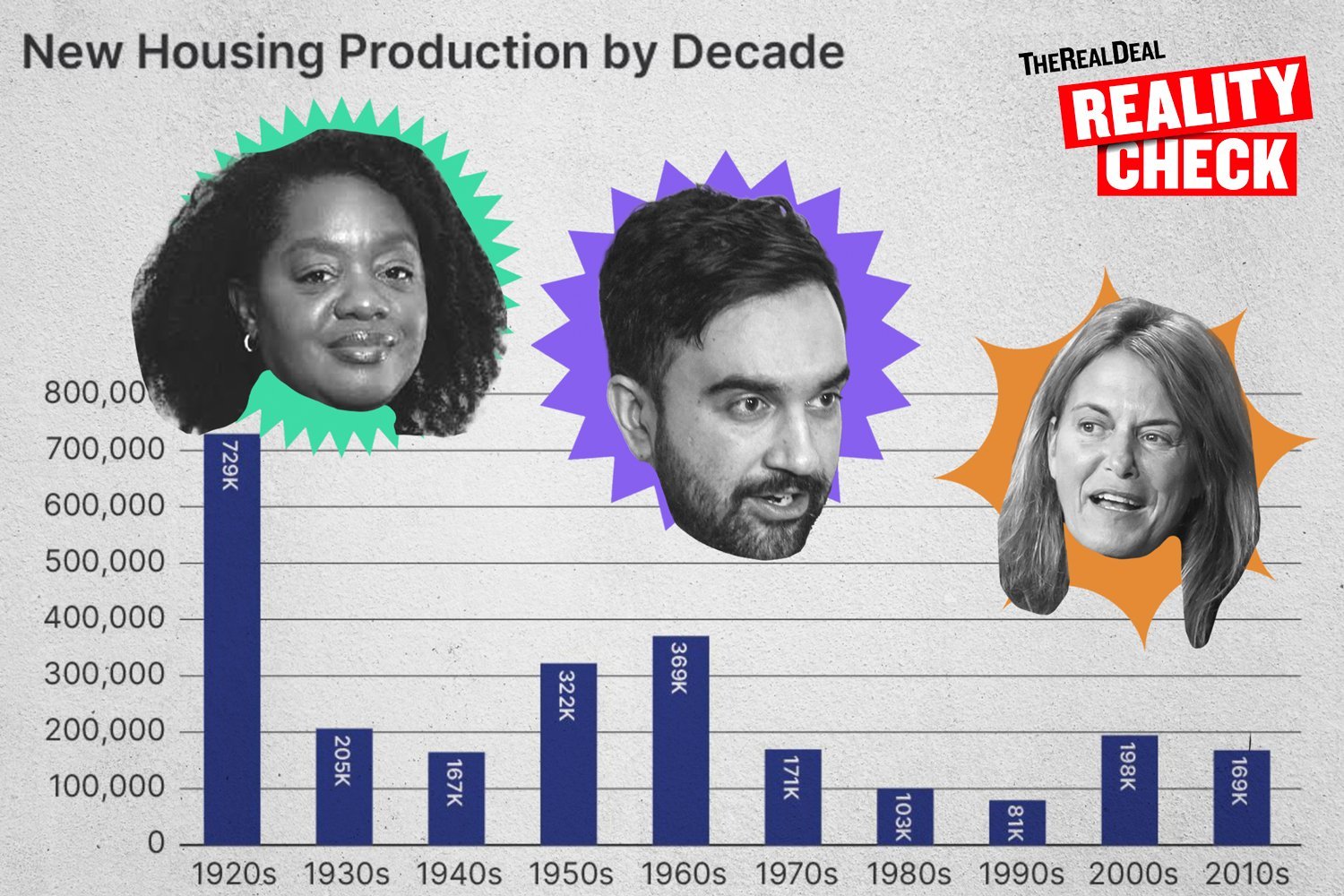
SEVEN. HUNDRED. THOUSAND.
Effectively, now. That’s numerous housing models for New York Metropolis to create in 10 years.
Constructing 700,000 properties is the recommendation of one more report on the housing disaster. However this draft the Metropolis Council can’t dismiss because the self-serving fantasy of an business group or business-backed suppose tank.
The Council itself demanded the report in a 2023 legislation. Watch out what you want for?
The lofty goal set by the town’s housing and planning companies units the federal government up for criticism if it falls in need of the aim — and protests by NIMBYs for attempting.
But attempt it should, as a result of 700,000 new properties in 10 years would do greater than clear up our housing issues. It could rework New York into the world’s dominant metropolis.
Nobody is extra cynical than I about mandated experiences. Town has actually a thousand of them, and most quantity to nothing. However this might be a watershed second.
The Council has ostensibly embraced new housing: A spokesperson bragged this month that it has permitted greater than 7,000 models since January. That’s simply 1 % of the 10-year aim, however nobody ought to suppose 700,000 is past attain, particularly with reforms made through the Adams administration.
Furthermore, it’s been achieved earlier than: Builders constructed 729,000 units within the Twenties. Town additionally added 70,000 homes in 1961 and once more in 1962, as builders rushed to beat a deadline set by the notorious citywide rezoning of 1961. Now we have much more paperwork and regulation now, but in addition significantly better expertise.
Metropolis Planning and the Division of Housing Preservation and Improvement didn’t hatch 700,000 out of skinny air. They began by calculating that 290,000 properties are wanted simply to meet up with demand. (That’s 101,000 to attain a emptiness price that provides New Yorkers choices, 53,000 to accommodate as we speak’s homeless, 40,000 for doubled-up households and 93,000 for adults uninterested in dwelling with dad and mom or roommates.)
One other 240,000 over 10 years is required to maintain up with inhabitants progress. A further 170,000 would “change how the housing market features,” the report says. It could entice or retain productive individuals who in any other case wouldn’t stay within the metropolis.
Convey us your … entrepreneurs
Extra folks means extra exercise, extra economies of scale, extra wealth and extra congressional seats. However wait, there’s extra.
Mike Bloomberg’s PlaNYC famous that when people stay within the metropolis relatively than the suburbs, their carbon footprint is 70 percent smaller. His level is extra necessary than ever.
The additional properties would additionally accommodate extra immigrants, who’ve fueled the town’s economic system for 2 centuries. Think about if they might come with out including strain to the housing market.
Some folks nonetheless consider immigrants as a price, as a result of they attend public faculties and eat social companies, however economists know higher. Immigrants who drop every little thing to return listed here are strivers. They launch small companies and startups at excessive charges. Some develop into main employers, like Google. And immigrants’ children usually outperform their friends. Cease by Stuyvesant Excessive Faculty someday.
Goodbye, hire management
Ending the housing emergency would finish hire stabilization and all of its market distortions.
Rich renters would go away their previously rent-stabilized models, opening them up for individuals who actually want them. Single folks rattling round in three-bedroom residences would downsize, letting households transfer in. About 60,000 vacant models can be renovated and rented out, creating jobs and tax income.
House owners of distressed buildings would have cash for brand new boilers, roofs, facades and basic maintenance. Brokers, bankers, supers, contractors and others would get extra enterprise. Extra insurers would enter the market, driving premiums down.
So many good issues.
In addition to the inconvenience of development, what can be the drawbacks of all this new housing?
Some tenants with artificially low rents would find yourself paying extra, however they’d get higher housing. Most individuals would pay much less. Homelessness would really lower: It barely exists in markets with wholesome emptiness charges. Plus there can be extra tax income to pay for vouchers and reasonably priced housing creation — a constructive suggestions loop.
Some old-timers would complain about constructing heights and crowded sidewalks and pine for the best way issues had been. Sorry, however New York Metropolis has been altering because it was New Amsterdam. Issues have labored out, I’d say.
However they might be so significantly better. All we’ve got to do is one factor. Construct.
Learn extra
Landlord does the math on his vacant apartment

“You need a virgin building”: HPD violations driving landlords mad

Why the City Council abandoned affordable housing
